
Root Canal Therapy in Sacramento, CA
Root Canal Therapy Near You
A tooth can look normal on the outside while the tissue inside it becomes inflamed or infected. Deep decay, a crack, repeated dental work, or an injury can all affect the pulp at the center of the tooth. At Miyasaki Dental, we provide root canal therapy in Sacramento, CA, to remove damaged or infected pulp and help preserve a tooth that might otherwise need to be removed.
Our practice has served the Sacramento community for more than 60 years, combining long-term experience with modern diagnostic technology. We provide root canal therapy near you when examination and imaging show that treating the inside of the tooth may allow it to remain functional.
What Is Root Canal Therapy?
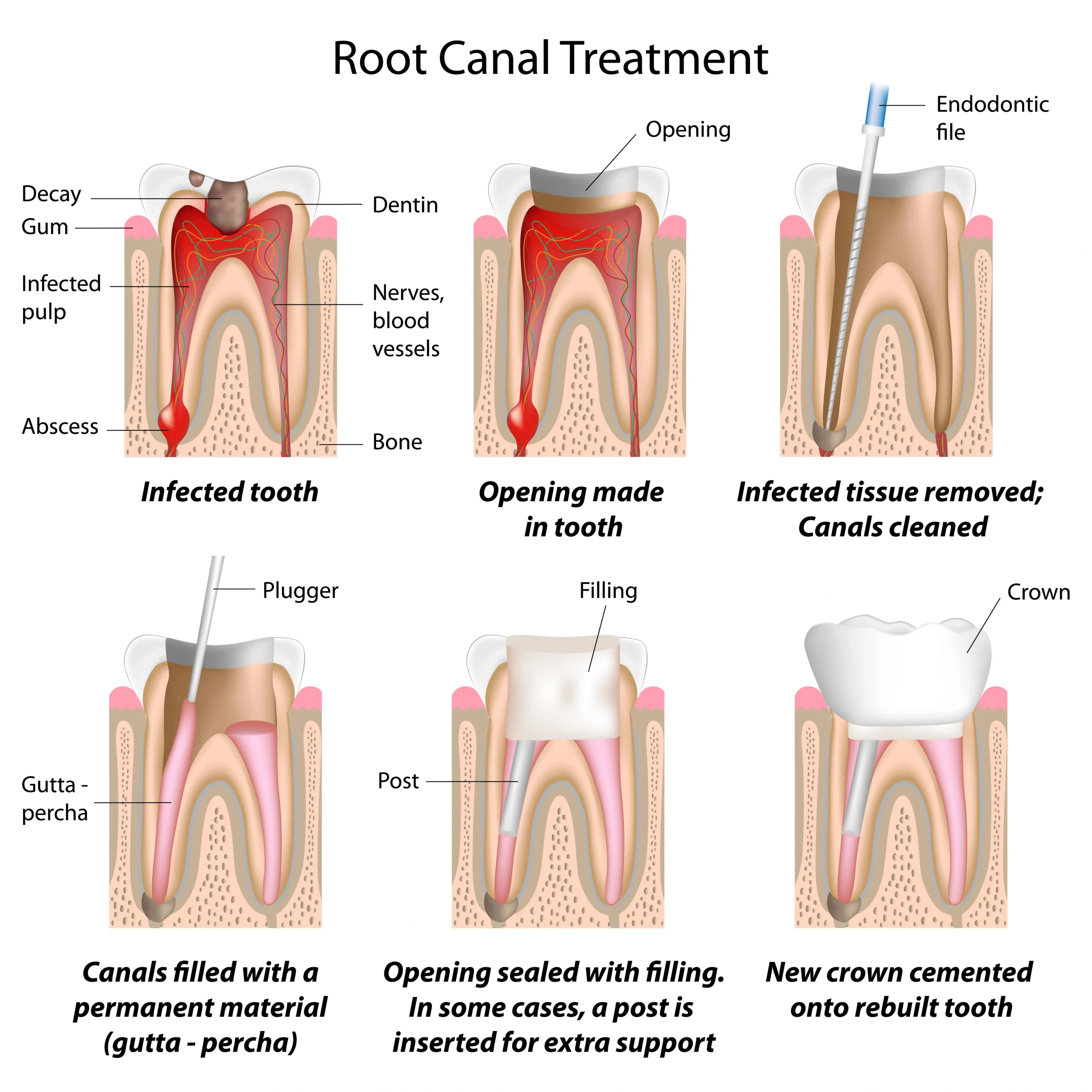
Root canal therapy treats inflammation or infection inside a tooth. Beneath the enamel and dentin is a space containing the dental pulp, which includes nerves, blood vessels, and connective tissue. When the pulp becomes irreversibly inflamed or infected, it cannot heal normally.
Treatment removes the affected pulp, cleans and disinfects the internal canals, and seals the space. The tooth no longer contains living pulp afterward, but it can remain in the mouth and continue functioning once properly restored.
When you visit our dentist in Sacramento, CA, we first determine whether the pulp is damaged and whether root canal treatment is appropriate for preserving the tooth.
When Might You Need Root Canal Therapy?
We may recommend root canal treatment if you have:
Persistent or severe tooth pain
Lingering sensitivity to hot or cold
Pain when biting or chewing
Swelling or tenderness around a tooth
A deep cavity that has reached or closely approached the pulp
A cracked or injured tooth that has damaged the pulp
Darkening or discoloration of a tooth associated with pulp damage
Evidence of infection around the root on dental imaging
Some teeth with damaged pulp cause few symptoms, which is why examination and imaging are important before making a diagnosis.
What Are the Benefits of Root Canal Therapy?
Preserving the Natural Tooth
Treatment may allow us to keep a tooth that could otherwise require extraction.
Removing Diseased Tissue
We remove inflamed or infected pulp from inside the tooth.
Relieving the Source of Pain
Treating the damaged pulp can address pain caused by inflammation or infection inside the tooth.
Restoring Function
Once the tooth is restored, you can usually return to normal chewing.
Preventing Further Spread
Cleaning and sealing the canals helps control infection within the treated tooth.
If you are looking for a dental office near you for root canal therapy in Sacramento, CA, we can evaluate the tooth, explain what is causing the problem, and discuss whether preserving it is a reasonable option.
How Does the Root Canal Therapy Process Work?
Examining the Tooth
We assess your symptoms, test the tooth when appropriate, and review dental images to evaluate the pulp and surrounding bone.
Numbing the Area
We use local anesthesia to keep the tooth and surrounding tissues comfortable during treatment.
Accessing the Pulp Chamber
We create a small opening in the tooth so we can reach the pulp and root canals.
Cleaning the Canals
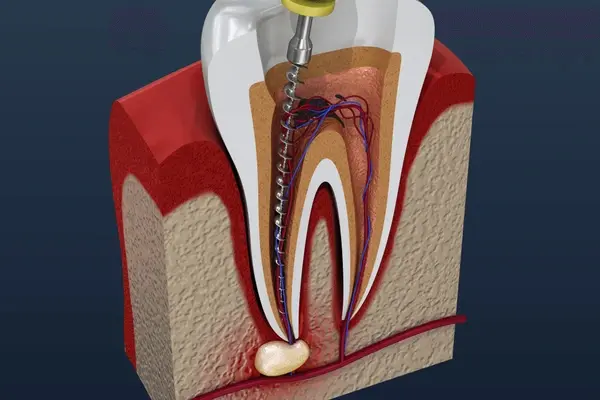
We remove damaged tissue, shape the canals, and disinfect the internal spaces.
Filling and Sealing the Canals
We place a root canal filling material inside the cleaned canals to seal the space.
Restoring the Tooth
The tooth needs a final restoration to protect it and restore function. Depending on how much tooth structure remains and where the tooth is located, this may involve a filling or crown.
What to Expect After Root Canal Therapy
Mild soreness or tenderness around the tooth can occur for a few days.
Follow the instructions we give you for eating and oral care.
Avoid chewing hard foods on the treated tooth until the final restoration is complete if we advise you to do so.
Continue brushing and cleaning between your teeth normally unless we give you different instructions.
Contact us if you develop increasing swelling, severe pain, or symptoms that concern you.
Keep follow-up and restorative appointments so the treated tooth receives the protection it needs.
Why Choose Miyasaki Dental for Root Canal Therapy?
More Than 60 Years in Sacramento
Miyasaki Dental is a multigenerational practice where Dr. Michael Miyasaki works alongside his daughter, continuing more than six decades of care in the Sacramento community.
A “Dentistry 2.0” Philosophy
We use careful diagnosis and modern technology to understand the condition of a tooth before recommending treatment rather than relying only on symptoms.
Crafting Lifetime Smiles
Preserving natural teeth when they can be predictably treated fits our long-term approach to oral health.
Dentists Who Educate
Dr. Miyasaki is a respected dental speaker and educator, and both dentists participate in professional education and the evaluation of dental products and technology. We explain what we find and why a particular treatment makes sense.
Technology That Supports Treatment Planning
Our practice uses digital radiography, Pearl AI-powered dental imaging, and CBCT when additional detail is clinically useful. CEREC® technology may also support restoration of suitable teeth after treatment.
Practical Options for Care
We accept PPO dental insurance and offer separate in-house Patient Plans and third-party financing through Cherry and CareCredit. Our team speaks English, Spanish, and Punjabi.
Treat the Problem and Preserve the Tooth
A painful or infected tooth does not always need to be removed. When enough healthy tooth structure remains, root canal treatment may let us preserve it and restore normal function.
To learn more about root canal therapy near you, call us at (916) 442-8911 or visit us at 1428 U St, Sacramento, CA 95818, United States. We can discuss what the visit involves and whether the service suits your needs.
Frequently Asked Questions
Is root canal therapy painful?
We use local anesthesia during treatment, so you shouldn’t feel the procedure itself the way you would untreated tooth pain. Some tenderness afterward is common and usually improves as the area heals.
How long does a root canal take?
The time depends on the tooth, the number and shape of its canals, and the complexity of the infection. Some teeth can be treated in one visit, while others may require additional appointments.
Will I need a crown after a root canal?
Not every treated tooth requires the same restoration. Back teeth often need crowns because they withstand heavier chewing forces, while some front teeth may be restored differently. We base the recommendation on how much healthy tooth structure remains.
Can a tooth get infected again after root canal treatment?
Yes, although many treated teeth remain functional for years. Reinfection can occur if bacteria re-enter the tooth, a restoration leaks or fractures, or an untreated area of the canal system remains.
Can I drive home after root canal therapy?
If you receive only local anesthesia, you can usually drive afterward. If your treatment involves sedation or medication that affects alertness, you will need to follow separate instructions.
How long can a tooth last after a root canal?
A well-treated and properly restored tooth can function for many years. Its long-term outlook depends on factors such as remaining tooth structure, the quality of the restoration, oral hygiene, bite forces, and future dental disease.