
Dental Bonding in Sacramento, CA
Dental Bonding Near You
A small chip, uneven edge, or narrow gap may not require an extensive restoration to change how a tooth looks. At Miyasaki Dental, we provide dental bonding in Sacramento, CA, using tooth-colored composite material to make conservative changes to selected teeth.
Our practice has served the Sacramento community for more than 60 years, with cosmetic care forming part of our broader approach to long-term oral health. If you are looking for dental bonding near you, we can evaluate the area you want to change and determine whether bonding offers enough strength and coverage for your needs.
What Is Dental Bonding?
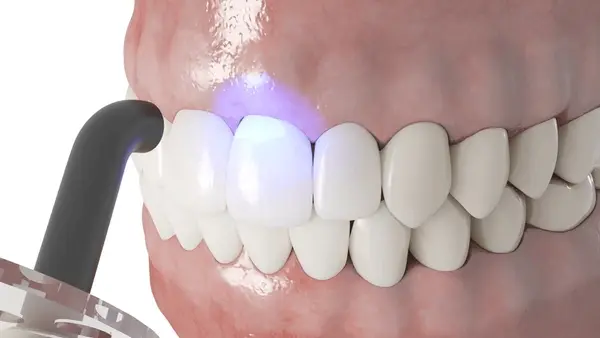
Dental bonding is a cosmetic and restorative treatment that uses tooth-colored composite resin to change or repair part of a tooth. The material can be shaped directly on the tooth to address small chips, uneven edges, minor gaps, discoloration, or differences in tooth shape.
Bonding generally requires little or no removal of healthy enamel when used for minor cosmetic changes. However, it is not appropriate for every concern. A tooth with substantial structural damage, extensive decay, or another functional problem may need a different type of restoration.
When you visit our dental office in Sacramento, CA, we examine the tooth and your bite before deciding whether bonding can provide a suitable result.
When Might You Consider Dental Bonding?
You may consider dental bonding if you want to address:
A small chip or worn tooth edge
A minor gap between selected teeth
A tooth that appears shorter or differently shaped than nearby teeth
Localized discoloration that cannot be improved sufficiently with whitening
Minor surface irregularities
A small cosmetic concern that does not require a veneer or crown
The condition of the tooth matters as much as its appearance. We first make sure bonding is appropriate for the amount of tooth structure involved.
What Are the Benefits of Dental Bonding?
Conservative Treatment
Bonding often requires little or no removal of healthy enamel for minor cosmetic changes.
Direct Tooth Shaping
We place and shape the composite material directly on the tooth, allowing us to refine its contour during treatment.
Color Matching
Composite resin comes in different shades so we can select one that blends with surrounding teeth.
Several Cosmetic Uses
Bonding can address small chips, spaces, uneven edges, and selected shape or color concerns.
Efficient Treatment
Many straightforward bonding procedures can be completed in a single visit.
If you are looking for a dentist near you for dental bonding in Sacramento, CA, we can explain what bonding can realistically change and whether another cosmetic treatment would provide a better result.
How Does the Dental Bonding Process Work?
Examining the Tooth
We check the tooth, surrounding gums, and bite to make sure bonding is suitable for the area.
Selecting the Shade
We choose a composite shade that coordinates with your natural teeth.
Preparing the Surface
We prepare and condition the tooth surface so the bonding material can adhere properly.
Applying the Composite
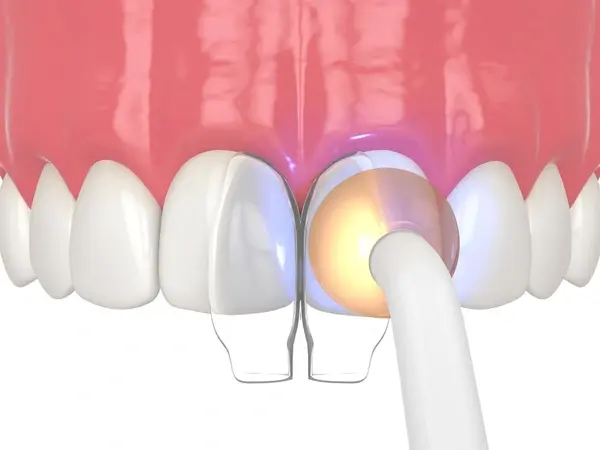
We place composite resin in the treated area and shape it to the planned contour.
Hardening the Material
We use a curing light to harden the composite.
Refining the Shape
We trim and polish the material so it blends with the tooth and feels smooth.
Checking Your Bite
We make sure the bonded area does not interfere with how your teeth come together.
How to Care for a Bonded Tooth
Brush twice a day and clean between your teeth daily.
Avoid biting ice, pens, fingernails, or other hard objects with bonded teeth.
Keep regular dental visits so we can check the bonded area and surrounding tooth.
Limit frequent exposure to substances that can stain composite material.
Tell us if the bonding chips, feels rough, or begins to interfere with your bite.
If you grind or clench your teeth, follow any recommendations we give you for protecting your dental work.
Why Choose Miyasaki Dental for Dental Bonding?
Experience Across Generations
Miyasaki Dental has cared for the Sacramento community for more than 60 years. Dr. Michael Miyasaki now practices alongside his daughter, continuing the practice’s multigenerational approach to dentistry.
Conservative Cosmetic Planning
Our “Dentistry 2.0” philosophy encourages us to consider preventive and conservative options when they can meet your needs rather than automatically choosing more extensive treatment.
“Crafting Lifetime Smiles”
We consider how a cosmetic change fits with the health, function, and long-term maintenance of the tooth, not just how it looks immediately after treatment.
Dentists Involved in Education
Dr. Miyasaki is a respected speaker and educator, and both dentists participate in dental education and the evaluation of products and technology. We use that background to explain your treatment choices clearly.
Current Materials and Technology
We use modern composite materials consistent with current dental standards. Digital imaging, Pearl AI-powered imaging, OccluSense®, and other technologies are available when they provide useful information for diagnosis or treatment planning.
Options for Planning Your Care
We accept PPO dental insurance and offer separate in-house Patient Plans and third-party financing through Cherry and CareCredit. Our team speaks English, Spanish, and Punjabi.
Find Out Whether Bonding Fits Your Smile
Dental bonding can make a meaningful difference when the concern is small enough for composite material to address conservatively. We’ll look at the tooth, listen to what you want to change, and explain whether bonding is likely to provide the appearance and durability you need.
To learn more about gum disease treatment near you, call us at (916) 442-8911 or visit us at 1428 U St, Sacramento, CA 95818, United States. We can discuss what the visit involves and whether the service suits your needs.
Frequently Asked Questions
How long does dental bonding last?
Bonding can last for several years, but its lifespan varies with the size and location of the bonded area, your bite, oral hygiene, diet, and habits such as grinding or biting hard objects.
Does dental bonding stain?
Composite resin can develop stains over time, particularly with frequent exposure to coffee, tea, red wine, tobacco, and other strongly pigmented substances. Unlike natural enamel, bonded material does not respond to whitening in the same way.
Can dental bonding be repaired if it chips?
Often, yes. Depending on the extent of the damage and the tooth’s condition, we may be able to repair or replace the composite material.
Is dental bonding painful?
Bonding for a minor cosmetic change usually causes little discomfort, and local anesthesia may not be necessary. If treatment involves decay or another sensitive area, anesthesia may be appropriate.
Can I whiten my teeth if I have cavities or gum disease?
Whitening can lighten natural enamel but will not change the shade of existing composite bonding. If you are considering both treatments, we may recommend whitening first so the bonding can match the new tooth shade.
Is dental bonding covered by insurance?
Coverage depends on why you’re getting bonding and the terms of your PPO plan. Treatment done solely for cosmetic reasons may not be covered, while some restorative uses may qualify for benefits.