
Gum Disease Treatment in Sacramento, CA
Gum Disease Treatment Near You
Bleeding when you brush, persistent bad breath, or swollen gums can be early signs that your gums need attention. Gum disease can also progress with few noticeable symptoms. At Miyasaki Dental, we provide gum disease treatment in Sacramento, CA, based on the condition of your gums, the amount of plaque and tartar present, and whether the tissues supporting your teeth have been affected.
Our practice has served the Sacramento community for more than 60 years, with a focus on prevention and early intervention. We provide gum disease treatment near you to help control inflammation, protect the tissues around your teeth, and give you practical guidance for maintaining your gums at home.
What Is Gum Disease Treatment?
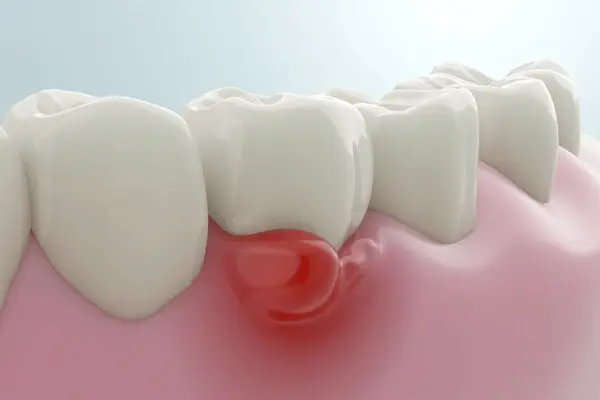
Gum disease begins when bacteria in dental plaque contribute to inflammation around the teeth. Gingivitis is the earliest stage and affects the gums without causing loss of the bone that supports the teeth. With appropriate care and improved plaque control, gingivitis can often be reversed.
Periodontitis is more advanced. The inflammation extends deeper around the teeth and can lead to loss of supporting bone and attachment. Treatment cannot replace bone that has already been lost in every situation, but it can help control the disease and reduce the risk of further damage.
When you visit our dental office in Sacramento, CA, we assess the condition of your gums and supporting tissues before recommending the level of care that fits your findings.
What May Be Included in Gum Disease Treatment?
The treatment plan depends on the type and severity of gum disease.
Improved Plaque Control
We may recommend changes to brushing, interdental cleaning, and other daily habits to reduce plaque around the gumline.
Professional Cleaning
Gingivitis may improve with professional removal of plaque and tartar combined with consistent home care.
Scaling and Root Planing
When periodontitis is present, we may need to remove plaque and hardened deposits from below the gumline and clean the root surfaces.
Periodontal Maintenance
After active periodontal treatment, more frequent maintenance visits may help control bacterial buildup and monitor the condition of the gums.
Additional Care When Needed
More advanced or complex cases may require further periodontal treatment based on the areas affected and how the tissues respond.

When Might You Need Gum Disease Treatment?
We may recommend treatment if you have:
Gums that bleed when brushing or cleaning between your teeth
Persistent redness, tenderness, or swelling along the gumline
Gum recession or teeth that appear longer than before
Persistent bad breath or an unpleasant taste
Deep spaces, known as periodontal pockets, around the teeth
Changes in tooth position or teeth that feel loose
Bone loss around the teeth seen on appropriate dental images
These signs can have different causes, so an examination is important before deciding on treatment.
What Are the Benefits of Gum Disease Treatment?
Controlling Inflammation
Removing bacterial deposits and improving daily plaque control can help reduce gum inflammation.
Protecting Supporting Tissues
Periodontal treatment aims to limit further damage to the gums, bone, and other structures that support the teeth.
Reducing Pocket Depth
Treatment may allow inflamed gum tissues to heal and fit more closely around the teeth.
Making Home Care Easier
Removing tartar and addressing difficult areas can make daily cleaning more effective.
Monitoring Long-Term Changes
Follow-up visits help us assess whether the condition remains stable or requires additional care.
If you are looking for a dentist near you for gum disease treatment in Sacramento, CA, we can evaluate the health of your gums and explain which findings need treatment and which can be monitored.
How Does the Gum Disease Treatment Process Work?
Reviewing Your History
We ask about bleeding, sensitivity, previous periodontal treatment, tobacco use, medications, and other factors that may affect gum health.
Examining Your Gums
We look for inflammation, recession, plaque, tartar, and other visible changes.
Measuring Around the Teeth
We may measure the spaces between the teeth and gums to assess periodontal pocket depth and attachment levels.
Reviewing the Supporting Bone
When appropriate, dental imaging helps us evaluate bone levels around the teeth.
Providing Treatment
We recommend cleaning, scaling and root planing, or other care according to the diagnosis and severity.
Checking Your Response
Follow-up allows us to see how the gums are healing and determine the appropriate maintenance schedule.
How to Care for Your Gums After Treatment
Brush twice a day using the technique we recommend.
Clean between your teeth every day with floss, interdental brushes, or another suitable tool.
Follow any temporary aftercare instructions we give you after treatment.
Avoid tobacco products, which can interfere with periodontal health and healing.
Keep your recommended maintenance visits so we can monitor areas that have previously shown disease.
Why Choose Miyasaki Dental for Gum Disease Treatment?
More Than 60 Years in Sacramento
Miyasaki Dental is a multigenerational practice where Dr. Michael Miyasaki works alongside his daughter, continuing more than six decades of care in Sacramento.
A Preventive “Dentistry 2.0” Philosophy
We focus on recognizing risk and disease earlier rather than waiting until gum problems cause significant discomfort or tooth instability.
Crafting Lifetime Smiles
Preserving the gums and bone that support your teeth is an important part of maintaining your smile over the long term.
Dentists Who Educate
Dr. Miyasaki is a respected speaker and educator, and both dentists participate in professional education and evaluate dental products and technology. We also explain what your periodontal findings mean and what you can do at home.
Technology With a Clinical Purpose
Our practice uses digital radiography and other advanced diagnostic technologies when they can help us assess oral health and plan care. We select technology according to the individual clinical need.
Practical Options for Care
We accept PPO dental insurance and offer separate in-house Patient Plans and third-party financing through Cherry and CareCredit. Our team speaks English, Spanish, and Punjabi.
Take Care of Bleeding or Inflamed Gums
Gum disease is easier to manage when we identify it before extensive supporting tissue has been damaged. If your gums bleed, feel swollen, or have changed noticeably, an examination can help determine what is causing the problem and what level of care you need.
To learn more about gum disease treatment near you, call us at (916) 442-8911 or visit us at 1428 U St, Sacramento, CA 95818, United States. We can discuss what the visit involves and whether the service suits your needs.
Frequently Asked Questions
Is gum disease contagious?
The bacteria associated with gum disease can be transferred through saliva, but developing periodontal disease depends on several factors, including oral hygiene, individual susceptibility, smoking, health conditions, and other risk factors.
Can gum disease cause tooth loss?
Advanced periodontitis can damage the bone and tissues that support the teeth. If enough support is lost, teeth may become loose and, in severe cases, may eventually be lost.
Does gum disease treatment hurt?
Comfort varies depending on the treatment and the condition of your gums. For scaling and root planing, we can use local anesthesia when needed to keep you comfortable during treatment.
Can receding gums grow back after treatment?
Gum tissue that has receded generally does not grow back on its own. Treatment can address active disease and help prevent additional damage, while some cases may benefit from procedures designed to cover exposed roots.
How often will I need periodontal maintenance?
The schedule depends on the severity and stability of your periodontal condition. Some individuals need maintenance more frequently than a standard preventive cleaning schedule.
Is bleeding when I floss normal?
Occasional bleeding can happen when you first improve your interdental cleaning, but persistent bleeding may indicate inflammation. If it continues, we should examine the area to determine the cause.